Single Sign-On (SSO) and System for Cross-Domain Identity Management (SCIM)
SSO enables businesses and organizations to allow users to easily log in to Vonage Business Communications and access multiple business applications with a single set of login credentials. On the other hand, SCIM offers a secure way to provision, update, and deactivate users.

Thanks for reaching out!
We'll get back to you as soon as we can. In the meantime, feel free to explore more about Vonage and how we're making communications more flexible, intelligent, and personal so our customers can stay ahead.
What Is Single Sign-On (aka SSO)?
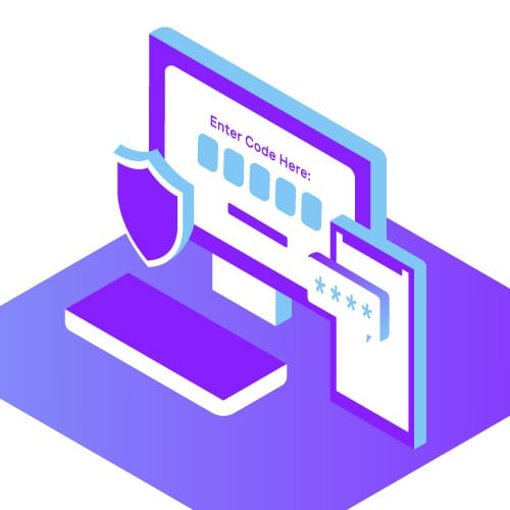
Single sign-on (SSO) allows employees and other users to securely log in to multiple applications and websites using a single set of credentials. Vonage’s SSO solution enables centralized authentication and password management for Vonage Business Communications users.
What Is SCIM?
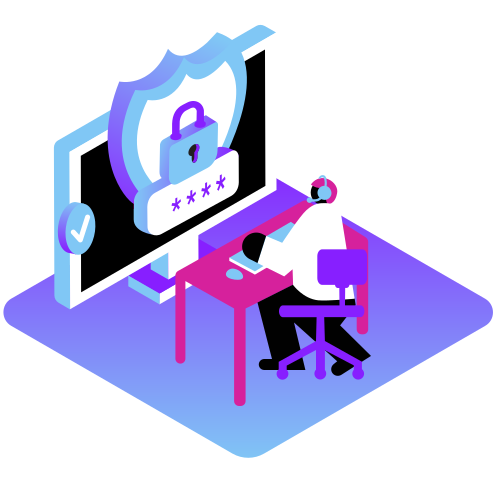
System for Cross-Domain Identity Management (SCIM) is an open-standard protocol that provides a secure, automated way to provision, update, and deactivate users. Vonage’s SCIM solution allows businesses to synchronize users between Vonage and the customer's identity provider (IDP) using a secure service account.

How Do Single Sign-On (SSO) and SCIM Work?
Single Sign-On support for Vonage Business Communications allows you to use a single username and password across other single sign-on-enabled apps and VBC. Once the SSO integration is configured, you can choose whether or not to require users to authenticate using the “Log in with Single Sign-On” button on the Vonage account login pages.
The System for Cross-domain Identity Management (SCIM) API is a free add-on that enables the automatic provisioning of user profiles from an Identity Provider (IDP) into Vonage Business or other cloud-based applications. Customers can establish a Vonage Service account, then easily set up and configure SCIM in their Vonage account using the service they created in their IDP account.
Advantages of Vonage SSO
You can use your company credentials to easily log in to the Vonage Business Communications account.
Simple Integration – Provides simple integration with whatever IDP the customer is using management for customers that use SAML 2.0 protocol-compliant identity access management (IAM) partners supported by Vonage
Centralized Access Control – Enables organizations to centrally manage user access to applications, making it easier to enforce security policies.
Enhanced User Experience – End users can use a single set of credentials across all of their Single Sign-On enabled apps
Productivity – Save time by logging in once across Single Sign-On enabled apps
Advantages of Vonage SCIM
Once enabled, SCIM automates creating, updating, and deactivating user accounts across multiple systems.
Enhanced SSO – Complements Single Sign-On (SSO); offers scalability advantages for large or growing organizations
Security – Helps organizations maintain tighter control over user access by automating user provisioning and de-provisioning, reducing the risk of unauthorized access to sensitive resources
Operational Efficiency – Provides users with timely access to needed resources
Flexibility – Supported Vonage IAM partners are OKTA, Azure and OneLogin
How To Use SSO and SCIM With VBC
Only Super Users and Account Administrators can set up Vonage SSO and SCIM. You can get more information here.
Note that SSO is a free service. Additionally, SSO uses a common standard (SAML 2.0) and supports the following Identity Providers (IDP): Azure AD, Okta, OneLogin, and Google Workspace.
Remember, Vonage is not an IDP, and you must have a membership with a third-party IDP.
Still have questions about VBC SSO and SCIM?
Setting up your Vonage account for either SSO or SCIM is easy and straightforward. Please refer to the instructions for your specific IDP:
With SSO, users can log in with a single, secure password. On the other hand, a non-SSO system requires users to log into each individual account that they are using each time they want to access it. You’ll see the difference most obviously when SSO is removed and users suddenly need multiple passwords.
Single Sign-On (SSO) is a method of authenticating a user during the sign on process, while System for Cross-domain Identity Management (SCIM) is a way to automate user provisioning.
In essence, SCIM is a specific protocol that falls under the umbrella of APIs. SCIM is designed to manage user identities — e.g., user provisioning, deprovisioning, and attribute management — across different systems and service providers.